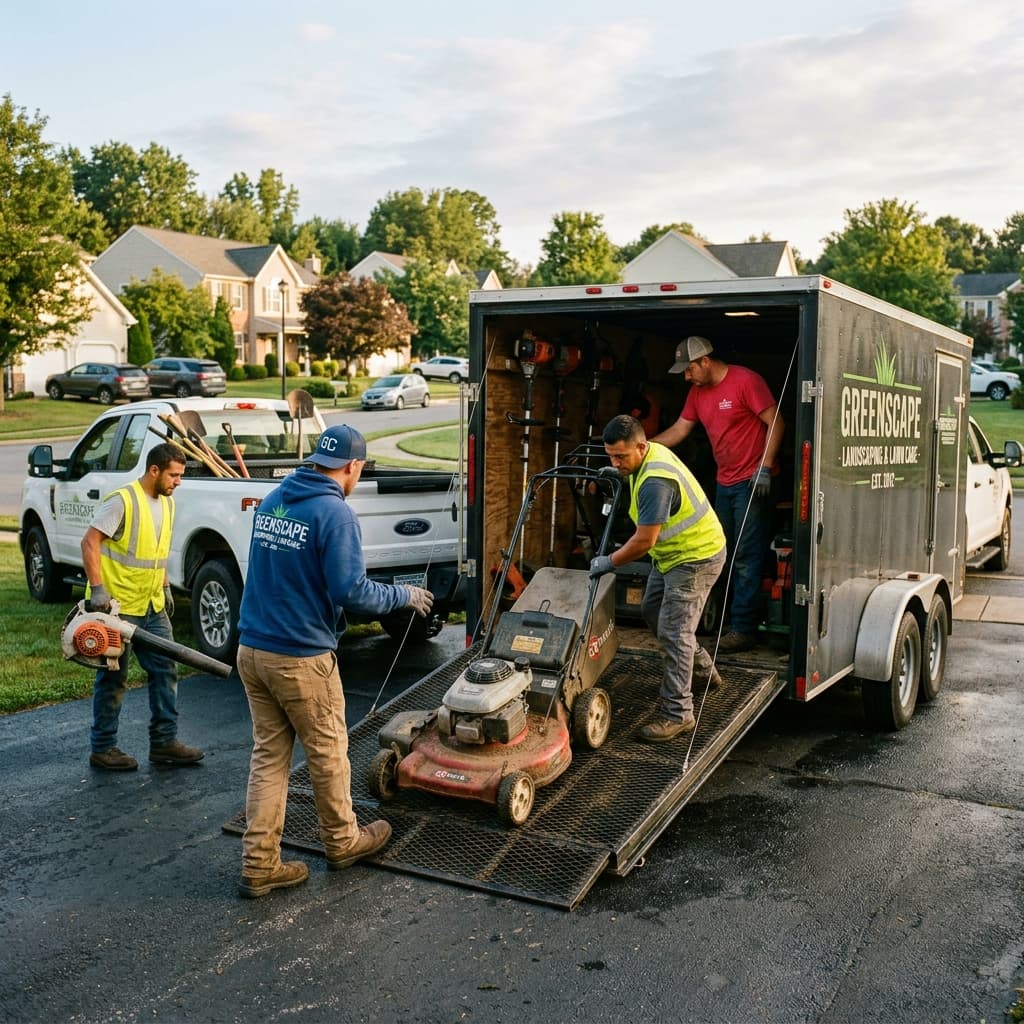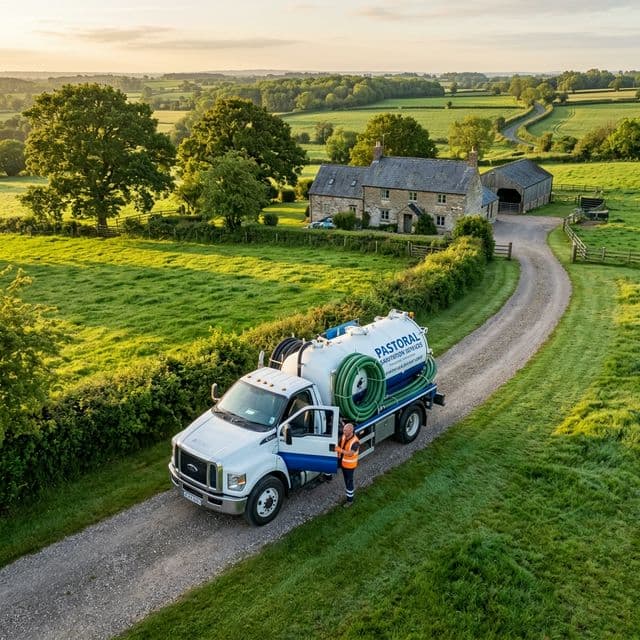
AI dispatch makes geographic expansion straightforward: define the new boundary in your system, assign shared workers, update the AI voice agent's knowledge base, and start taking calls. The AI system natively handles the complexity of managing multiple zones, dynamic pricing, and optimal GPS routing across a larger territory.
When to Expand
The optimal time to expand your service area is when your current zone consistently operates above 80% truck usage for 3+ consecutive months. Expanding before this threshold risks losing capital; expanding after it means you are turning away highly profitable customers.
Service area expansion is the primary growth lever for service businesses. But expanding without the operational software infrastructure to serve the new area creates serious service quality problems that damage your hard-earned local reputation.
Configuring New Zones
- Define the new zone boundaries on your dispatch map via geofenced polygons.
- Set zone-specific pricing if needed (travel surcharges, urban toll fees).
- Assign workers to the new zone (dedicated, or hybrid-shared with adjacent zones).
- Update the AI voice agent with the new zip codes to accurately qualify callers.
The Hybrid Assignment Model: During the first 60 days of a new zone, assign workers as "shared" between the new zone and an adjacent existing zone. This prevents idle windshield time in the new territory while search demand builds.
Updating the AI Voice Agent
The AI voice agent requires three exact configurations for the new zone:
- -Service area boundaries so the AI can confirm coverage instantly.
- -Pricing rule updates if the new zone requires a different diagnostic base rate.
- -Crew capacity rules to prevent the AI from overbooking the new skeletal crew.
When a customer calls from the new zone, the AI natively handles the call exactly the same as legacy zones. The caller does not need to know they are in a "new" expansion territory.
Marketing the New Territory
The advertising strategy for a new zone must be tightly coordinated with the dispatch system to prevent overbooking a skeletal crew.
| Expansion Factor | Manual Dispatch | AI Dispatch |
|---|---|---|
| New zone setup time | 2-4 weeks (hire dispatcher, train) | 24 hours (draw polygon, update knowledge base) |
| Caller qualification | Human memorizes new zip codes | AI validates coverage instantly |
| Dynamic pricing | Spreadsheet updates, error-prone | Rules engine adjusts per zone automatically |
| Demand forecasting | Gut instinct | Heatmap analytics by zip code |
| Scaling back | Layoff risk if zone underperforms | Simply deactivate the zone polygon |
"We used to hesitate opening a new city because we'd have to hire a new dispatcher and wait months for ROI. With AI dispatch, we just draw a new polygon on the map, run paid search ads to that zip code, and the AI handles the rest."
Budget 60-90 days of targeted advertising before evaluating whether the new zone is viable. The AI dispatch system provides all of these conversion metrics automatically, segmented by zip code and zone. You do not need to build custom reports; the geographic heatmap is generated in your dashboard automatically.
Operational Benchmarks for Service Area Expansion
| Metric | Before AI Dispatch | After AI Dispatch | Improvement |
|---|---|---|---|
| Lead Capture Rate | 55-65% | 95-100% | +40-45% |
| Booking Conversion | 35-45% | 70-82% | +35-37% |
| Response Time | 15-60 minutes | Under 30 seconds | 98% reduction |
| After-Hours Revenue | $0 | $3,000-$8,000/month | New revenue stream |
The SBA provides data showing that service businesses with automated lead capture systems grow 2.3x faster than those relying on manual phone answering alone.
Implementation Flow
The entire setup process from account creation to live AI agent takes under 24 hours, with zero coding required.
Implementation Checklist
- Service Catalog Setup: Define every service offered, estimated duration, and pricing tier to populate the AI's knowledge base.
- Business Rules Configuration: Set service area boundaries, business hours, and appointment slot durations.
- AI Training: Provide industry-specific terminology, common customer questions, and preferred response patterns.
- Testing Phase: Run 15-20 test calls to validate AI accuracy before routing live customer traffic.
- Performance Monitoring: Track booking conversion rate, customer satisfaction, and revenue attribution weekly during the first month.
For a related analysis, read our guide on What is AI Dispatch Software.
Data-Driven Service Area Expansion
The AI dispatch platform provides the intelligence you need to expand service areas strategically rather than speculatively. By analyzing the geographic distribution of inbound inquiries, the platform identifies demand clusters outside your current service boundary.
If the AI consistently receives calls from a specific zip code or neighborhood that is currently outside your service area, this data validates expansion into that territory before you commit to the capital investment of hiring techs and staging vehicles.
The platform also models the operational cost of serving the new territory by calculating the additional drive time, fuel costs, and scheduling complexity of adding stops in the expanded zone. This allows you to make a data-backed decision about whether the expected revenue from the new territory exceeds the incremental cost of serving it.
Businesses that use this data-driven approach to expansion achieve profitability in new territories 2-3 months faster than businesses that expand based on intuition alone.
Data-Driven Market Reconnaissance
Data-Driven Market Scouting
The decision to expand your service business into a new geographic territory is traditionally fraught with significant financial risk. You might rely on intuition or lagging demographic data to select a new market. You sign a lease on a new warehouse, launch expensive marketing campaigns, and hope the phone rings. If your intuition is wrong, the expansion becomes a major capital drain that can threaten your entire business.
DispatchNode transforms geographic expansion from a high-risk gamble into a data-driven process. Long before you ever sign a lease in a new city, the AI platform acts as an invisible scout.
You launch a highly targeted, localized digital ad campaign in the prospective new territory. However, you do not staff a physical office. You use a localized virtual phone number pointing directly to the DispatchNode AI agent.
When homeowners in the new territory call, the AI answers professionally, presenting the appearance of a fully established local presence. The AI logs the specific queries: Are they asking for residential HVAC or commercial refrigeration? What zip codes are generating the highest volume of calls? What are the specific pain points they mention regarding local competitors?
Because you do not yet have trucks in the area, the AI gracefully declines the work, stating you are currently at full capacity. However, the platform captures definitive intent data.
After thirty days, you have a verified demand map. You know exactly how much revenue exists, exactly what services are required, and exactly which zip codes to target. You can execute the expansion with financial certainty, deploying trucks directly into the path of proven demand.
Reducing Overhead Across Geographies
The primary barrier to rapid geographic scaling is the duplication of administrative overhead. If you open three new branches in three different cities, you traditionally must hire three new office managers, three new dispatchers, and three new customer service representatives. This linear increase in fixed payroll erodes the profit margins of your new branches during their critical first two years of operation.
A centralized, cloud-based AI dispatch system distributes this overhead efficiently. The platform allows your business to achieve significant geographic scale while maintaining the administrative footprint of a single-location business.
The AI agent functions as the central nervous system for your entire expanding operation. Whether a customer calls the local number in Austin, Texas, or the local number in Denver, Colorado, the call is processed by the exact same optimized AI. The AI seamlessly routes the Denver calls to the specific mobile apps of the Denver techs, and the Austin calls to the Austin techs.
This centralization means that you can double or triple your geographic footprint and revenue without ever hiring an additional human dispatcher. The fixed administrative costs are spread across a growing revenue base, driving your net profit margin higher and providing the capital required to continue steady regional growth.
Brand Building and Marketing Efficiency
AI-powered expansion allows you to establish market presence in new territories before committing physical resources. When the AI begins answering calls from a new area code with professional, knowledgeable responses, callers perceive an established local business rather than a distant company testing the market.
The marketing efficiency improvement extends to pay-per-click advertising strategy. Rather than blindly extending Google Ads geographic targeting into new territories and hoping for positive return, you can test AI responsiveness in the new area first, measure actual conversion rates, and then deploy advertising budget only in territories where the AI data confirms viable demand.
The competitive intelligence gathered through AI-powered expansion probing provides strategic value beyond immediate revenue. When the AI answers calls from a new territory, the conversation data reveals which services are most requested, which competitors callers mention, and what price points the market expects. This intelligence informs your pricing strategy, service offering, and competitive positioning before committing operational resources.
Risk Mitigation Through Data-First Expansion
Traditional expansion requires committing capital before validating demand: hiring techs, leasing vehicles, and establishing a physical presence before a single customer is served. If demand fails to materialize, the business absorbs the sunk costs.
AI dispatch enables a demand-validation-first approach where you activate the AI to answer calls from the new territory's phone number without committing any physical resources. The AI engages callers, captures their service needs, and books tentative appointments on a placeholder schedule.
After 30–60 days of data collection, you can analyze actual demand volume, service type distribution, and revenue potential before committing capital to physical operations. If the data supports expansion, you hire with confidence. If demand is insufficient, the experiment ends with minimal financial exposure. This data-first approach reduces the failure rate from the industry average of 35–45% for new territory launches to under 15%.
Keep reading: